
AI Digital Twin Technical Publication is redefining aerospace careers faster than most engineers realize.
Introduction
At global AI summits and aerospace innovation forums, one message is clear: aircraft are no longer just mechanical machines — they are becoming intelligent, data-driven digital ecosystems.
And at the center of this transformation lies a powerful combination:
AI + Digital Twin + Technical Publication.
If you are a BE/BTech Aerospace, Aeronautical graduate (2024–2026) or an AME professional wondering where core aerospace opportunities are heading — this is the shift you cannot ignore.
In this blog, we will explore how AI Digital Twin Technical Publication is shaping the future of aerospace careers — and how GLOINNT prepares you to be part of that future.
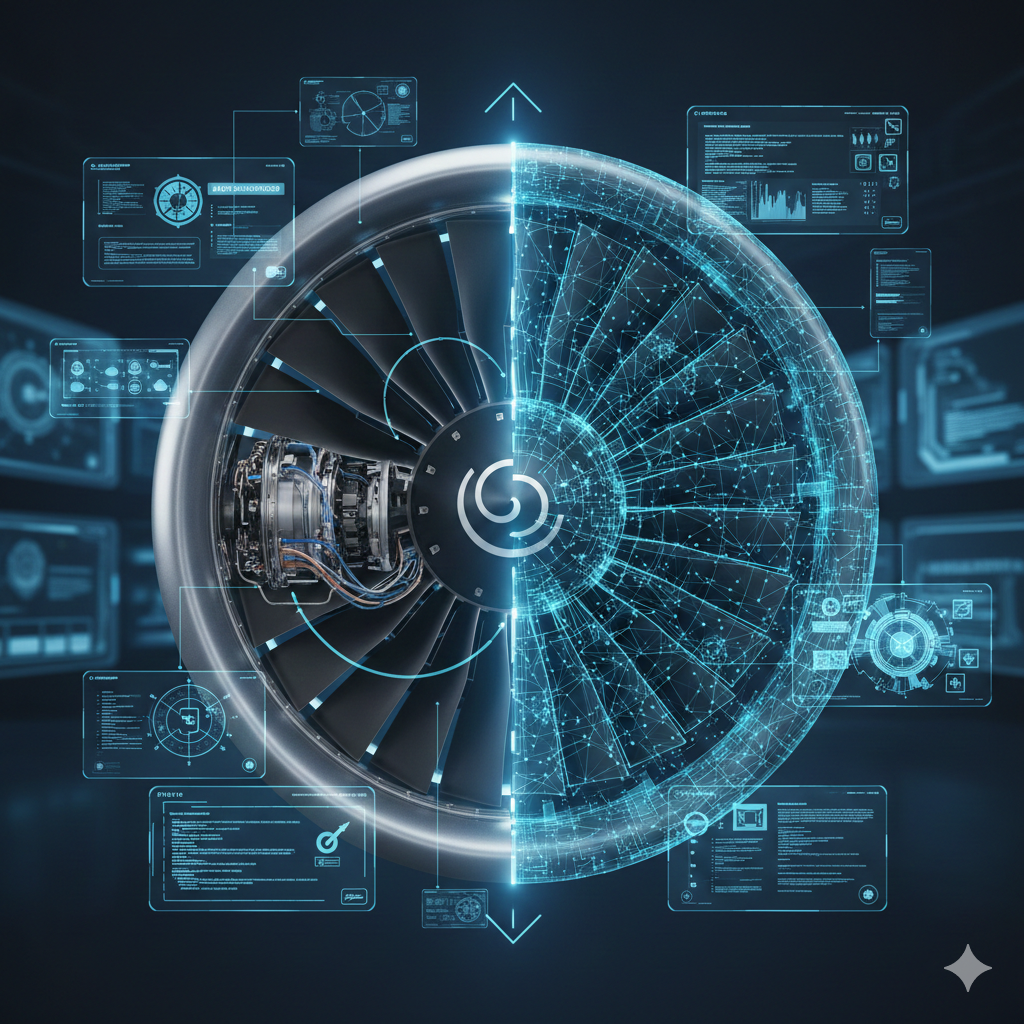
What Is AI Digital Twin Technical Publication in Aerospace?
A Digital Twin is a virtual replica of an aircraft, engine, or system that continuously receives real-time data. It helps aerospace companies:
Monitor aircraft health
Predict maintenance issues
Improve safety
Reduce operational costs
Optimize performance
But here’s what many engineers overlook:
A Digital Twin cannot function effectively without accurate, structured, and compliant technical documentation.
This is where Technical Publication becomes critical.
Technical publications include:
Aircraft Maintenance Manuals (AMM)
Illustrated Parts Catalog (IPC)
Fault Isolation Manuals
Wiring Diagram Manuals
Service Bulletins
S1000D-based documentation
AI systems and digital twins depend on structured technical data. Without properly authored and standardized documentation, digital systems fail.
This makes AI Digital Twin Technical Publication one of the most future-proof domains in aerospace.
Why Aerospace Careers Are Changing in 2026 and Beyond
The aerospace industry is entering what many experts call Aircraft Lifecycle 4.0.
Major global manufacturers and MRO organizations are integrating:
Artificial Intelligence
Predictive Maintenance Systems
Digital Engineering Platforms
Smart Documentation Frameworks
According to global aviation reports, aircraft lifecycle management is becoming increasingly digital, which means documentation roles are evolving from static manual writing to intelligent, data-integrated technical communication.
For engineers, this shift creates new roles such as:
Technical Publication Specialist
Digital Engineering Support Engineer
Configuration Management Analyst
S1000D Author
Aerospace Documentation Analyst
Lifecycle Data Management Executive
These are not “backup careers.” These are core industry roles aligned with digital transformation.
How AI Digital Twin Technical Publication Supports Aircraft Lifecycle
Let’s break it down practically.
1. Design Phase
Engineering drawings, compliance documentation, and technical data are structured for digital integration.
2. Manufacturing Phase
Assembly manuals and process documentation feed into digital models.
3. Testing & Certification
Regulatory documentation ensures compliance with aviation authorities.
4. Maintenance & MRO
Digital Twin systems rely on accurate maintenance manuals and troubleshooting guides.
5. Upgrades & Modifications
Engineering change documentation ensures configuration control.
6. Decommissioning
Lifecycle records maintain aircraft history and compliance documentation.
Every stage requires skilled professionals trained in AI Digital Twin Technical Publication workflows.
Why Choose GLOINNT
At GLOINNT, we understand that aerospace careers are evolving. We do not just teach theory — we align our Technical Publication Training with industry digital transformation.
Here’s what makes us different:
Industry-Aligned Curriculum
Our modules are structured around real aerospace documentation workflows used in global aviation projects.
Exposure to Engineering Drawings
We train you to interpret and work with technical drawings — a key skill for digital twin integration.
Aviation Standards Training
We cover documentation standards aligned with international aviation practices.
Practical Task-Based Learning
Students work on simulated documentation tasks similar to real aerospace environments.
Placement Assistance
We guide aerospace and AME graduates toward industry-aligned job opportunities.
👉 Learn more about our journey and expertise on our website :-https://gloinnt.com/services/
Our Service Areas
GLOINNT supports aerospace engineers in the following areas:
Aerospace Technical Publication Training
S1000D Documentation Practices
Engineering Drawing Interpretation
Aviation Standards Orientation
Lifecycle Documentation Support
Skill Development for Aerospace Graduates
Our focus remains clear: helping BE/BTech Aerospace, Aeronautical, AME (2024–2026 passouts) transition into core aviation roles.
How We Work
We follow a structured 3-step model:
Step 1: Skill Assessment
We understand your academic background and career goals.
Step 2: Structured Training
You undergo hands-on Technical Publication training aligned with digital aerospace systems.
Step 3: Career Guidance & Placement Support
We help you position your skills for real industry opportunities.
Real Student Stories
Rohit S. – BE Aerospace (2024 Graduate)
“I was applying for core aerospace roles without success. After training at GLOINNT, I understood how documentation supports digital systems. Within months, I secured a role in a technical documentation project.”
Megha P. – AME Graduate
“I thought Technical Publication was only about writing manuals. GLOINNT showed how it connects to aircraft lifecycle and digital twin systems. It completely changed my career direction.”
Why This Is a Smart Entry Point for 2024–2026 Graduates
Many aerospace graduates struggle with:
Limited core openings
High competition
Lack of industry exposure
Gap between academic syllabus and industry expectations
AI Digital Twin Technical Publication bridges that gap.
It allows engineers to:
Enter the aerospace ecosystem
Understand real aircraft workflows
Build domain credibility
Transition into broader lifecycle roles
In a digital aerospace future, documentation professionals are becoming strategic contributors.
Frequently Asked Questions (FAQ)
Is Technical Publication a core aerospace job?
Yes. It directly supports aircraft lifecycle, compliance, and digital engineering systems.
Can Mechanical Engineers apply?
We prioritize BE/BTech Aerospace, Aeronautical, and AME graduates. However, relevant mechanical candidates with aviation interest may be considered.
Is this future-proof?
With AI and Digital Twin systems expanding, structured technical documentation roles are increasing in demand.
Do you provide placement assistance?
Yes. GLOINNT offers career guidance and placement support aligned with industry needs.
The Future Is Not Just AI — It’s Structured Knowledge
AI without structured technical documentation is incomplete.
Digital Twin without standardized publications cannot function effectively.
The future of aerospace careers is not just about designing aircraft — it is about managing intelligent aircraft ecosystems.
And that ecosystem needs skilled Technical Publication professionals.
Ready to Position Yourself for 2026 and Beyond?
If you are:
BE/BTech Aeronautical / Aerospace (2024–2026)
AME Graduate
Looking for core aerospace entry
Interested in future-ready aviation roles
This is your opportunity.
Visit:https://gloinnt.com/contact-us/