
Quick answer: Aerospace Technical Publications interviews for freshers focus on three things — your grasp of documentation standards (ATA 100, S1000D, iSpec 2200), hands-on familiarity with authoring tools like Arbortext and IsoDraw, and your ability to write clear, unambiguous technical English. Here’s exactly what gets asked, round by round.

Why Tech Pub Interviews Feel Different From Core Engineering Interviews
If you’ve sat through a few campus placement interviews for core aerospace or mechanical roles, a Tech Pub interview will surprise you. There’s very little theoretical aerodynamics or thermodynamics. Instead, panels test whether you can think like a documentation professional: can you take a complex aircraft system and explain it in a way that’s precise, standard-compliant, and impossible to misread on a hangar floor.
That shift catches freshers off guard, especially those who prepared using generic engineering interview guides instead of Tech Pub-specific material.
Round 1: Standards & Documentation Knowledge
This is almost always the first filter. Expect direct questions like:
- What is the difference between ATA 100 and ATA iSpec 2200?
- What is S1000D, and how is it different from legacy documentation standards?
- What is the purpose of a CSDB (Common Source Database) in S1000D authoring?
- Explain the difference between an AMM, an IPC, and a WDM.
- What is ASD-STE100 and why does aerospace documentation rely on it?
Interviewers aren’t expecting textbook definitions word for word. They’re checking whether you understand why these standards exist — consistency, safety, and regulatory compliance across global fleets — not just whether you memorized acronyms.
Round 2: Tool & Practical Skills
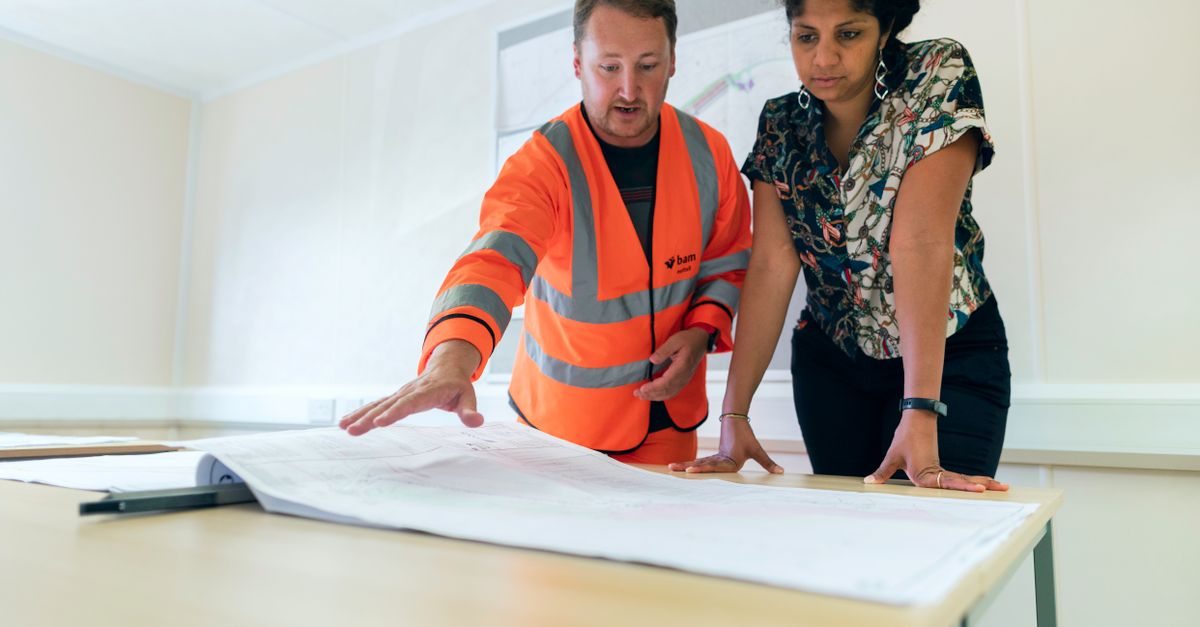
This round separates candidates who did theory-only coursework from those with real hands-on exposure. Common questions:
- Have you used Arbortext Editor or a similar XML authoring tool? Walk me through a task you completed in it.
- How do you create or edit a technical illustration in IsoDraw?
- How would you interpret this 2D engineering drawing and identify the Bill of Material?
- How do you validate a manual against the actual aircraft or component?
This is where candidates with only classroom theory struggle. Panels can usually tell within a few minutes whether someone has actually opened these tools versus watched a demo once. This exact gap is what hands-on training is built to close.
Round 3: The Simplified Technical English (STE) Test
Most aerospace OEMs and MROs run a written or verbal English proficiency check, often benchmarked around B2 level, specifically testing Simplified Technical English principles: short sentences, approved vocabulary, no ambiguity, active voice. You may be asked to rewrite a complex instruction into STE-compliant language on the spot.
This single round eliminates more candidates than the technical rounds combined, because most engineering graduates have never been trained to write this way.
Round 4: Scenario & Judgment Questions
Expect at least one scenario-based question designed to test judgment, not recall:
- “You find a discrepancy between the engineering drawing and the existing manual. What do you do?”
- “A maintenance technician reports that a manual step is unclear. How would you revise it?”
- “How would you handle a Service Bulletin update that affects multiple manual chapters?”
There’s rarely one correct answer here. Interviewers want to see structured thinking: verify first, escalate through the right process, and never guess on a document a technician will rely on for aircraft safety.
The Mistake Most Freshers Make
The single biggest interview failure isn’t lack of intelligence, it’s lack of exposure. Candidates who only studied Tech Pub theory from PDFs and YouTube videos can usually answer Round 1 reasonably well, then struggle badly in Rounds 2 and 3, because those rounds test things you can only get comfortable with by actually authoring documents, illustrating parts, and rewriting sentences into STE, repeatedly, under guidance.
This is exactly why structured, hands-on training closes the gap that self-study leaves open.
How to Actually Prepare
- Get real tool time — even a few weeks of guided Arbortext and IsoDraw practice beats months of passive video watching
- Practice STE rewriting daily — take any technical paragraph and simplify it into short, unambiguous, active-voice sentences
- Learn the standards contextually — don’t memorize ATA 100 vs S1000D differences as trivia, understand which manuals use which standard and why
- Do mock interviews — scenario questions are much easier when you’ve rehearsed structured, safety-first answers out loud
The Bottom Line
Aerospace Technical Publications interviews reward candidates who can demonstrate real hands-on exposure, not just theoretical knowledge. If your preparation so far has been reading and watching, the fastest way to close the gap before your next interview is structured practice with actual authoring tools, real standards, and STE writing, under people who’ve done this work on live aircraft programs.
Want to Walk Into Your Tech Pub Interview Ready?
GLOINNT’s Aerospace Technical Publications Training includes hands-on Arbortext & IsoDraw practice, STE writing drills, and mock interviews — for BE/B.Tech and AME freshers.